

Menopause & Your Skin: Understanding the Changes and Finding What Works for You
Dryness, sensitivity or skin that suddenly feels different? Discover how perimenopause and menopause can affect your skin, with practical skincare advice and real experiences from the Kinvara community.
Have you ever looked at your skincare shelf and wondered why the products you've always loved suddenly don't feel quite the same?
Perhaps your skin feels drier, more sensitive, or simply different from how it used to. If you're approaching menopause or already experiencing it, hormonal changes may be part of the reason.
At Kinvara, we believe that feeling good in your skin matters at every age and every stage of life. And sometimes, that means learning to care for your skin a little differently.
In 2024, our team attended the National Menopause Summit in Dublin, where we had the opportunity to listen to women sharing their experiences and concerns. Alongside the conversations we've had with customers over the years, it reinforced just how valuable open, informed discussions about menopause can be.
So, let's talk about what happens to our skin during this stage of life, what can genuinely help, and how a few simple changes to your routine might make a difference.
What's Happening to Your Skin During Menopause?
Perimenopause is the transition leading up to menopause, when hormone levels begin to fluctuate. Menopause is reached when you've gone 12 consecutive months without a period, provided there's no other medical explanation.
During this transition, falling oestrogen levels can affect your skin's ability to retain moisture, as well as its collagen content and elasticity.
But here's something worth remembering: there's no single menopause skin experience.
Some women notice very little change. Others find their skin becomes drier, more sensitive or prone to breakouts, sometimes after years of having a routine that worked perfectly well.
Understanding what's changing is a good place to start.
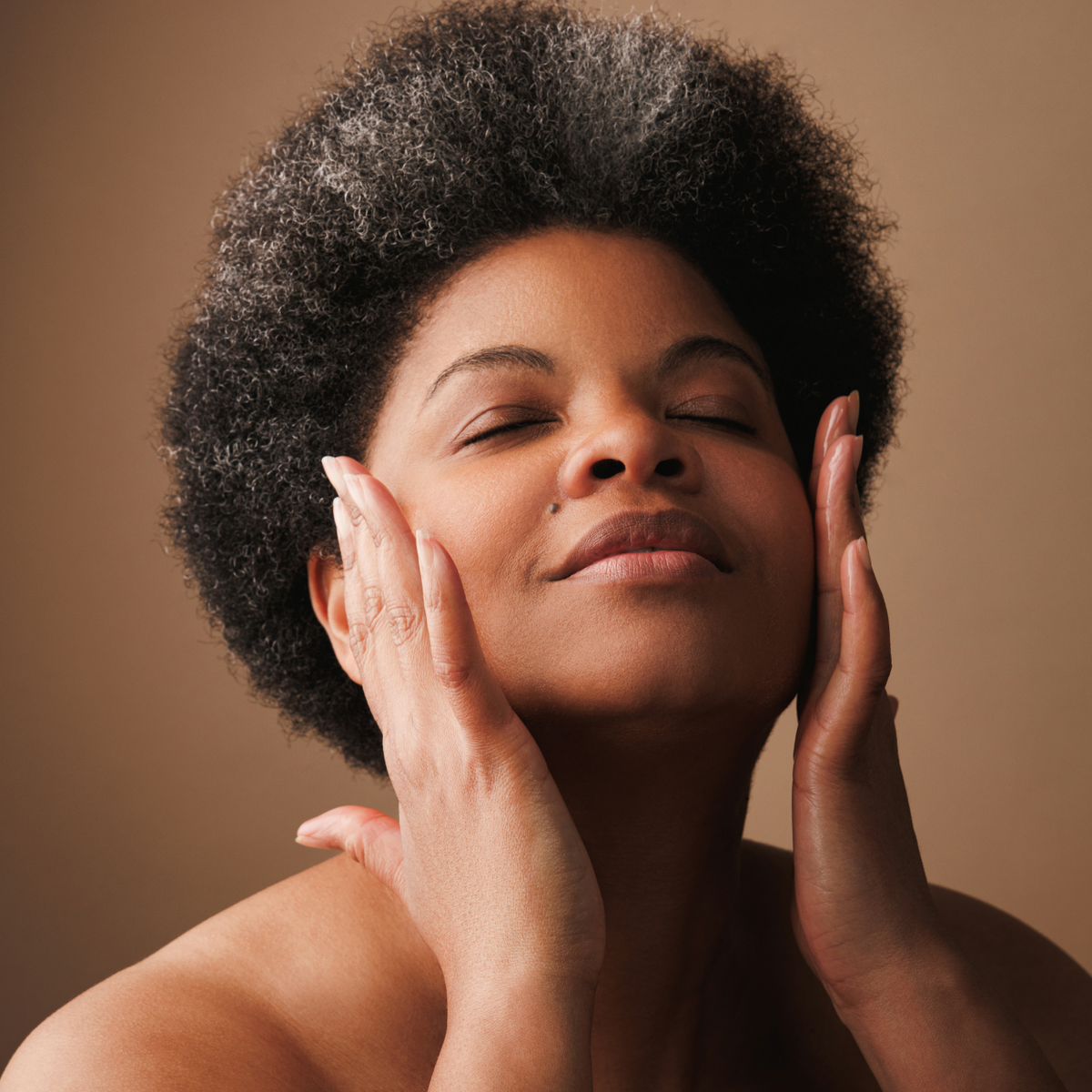
1. Why Does Skin Feel Drier During Menopause?
If your skin suddenly feels tight after cleansing, your usual moisturiser doesn't seem to go as far, or you're noticing rough patches, you're not imagining it.
Hormonal changes during menopause can contribute to reduced skin hydration and changes in the skin barrier.
What can help?
Start with the basics:
- Cleanse gently. Avoid harsh cleansing products that leave your skin feeling tight or uncomfortable.
- Moisturise regularly. Apply moisturiser after cleansing and look for ingredients such as glycerin or hyaluronic acid that help support hydration.
- Avoid very hot water. Lukewarm water is a gentler choice, especially if your skin already feels dry.
- Listen to your skin. You might find that a richer moisturiser feels more comfortable than the lightweight products you've used previously.
A little help from Kinvara
Our Absolute Cleansing Oil offers an oil-based approach to cleansing, removing makeup and everyday impurities.
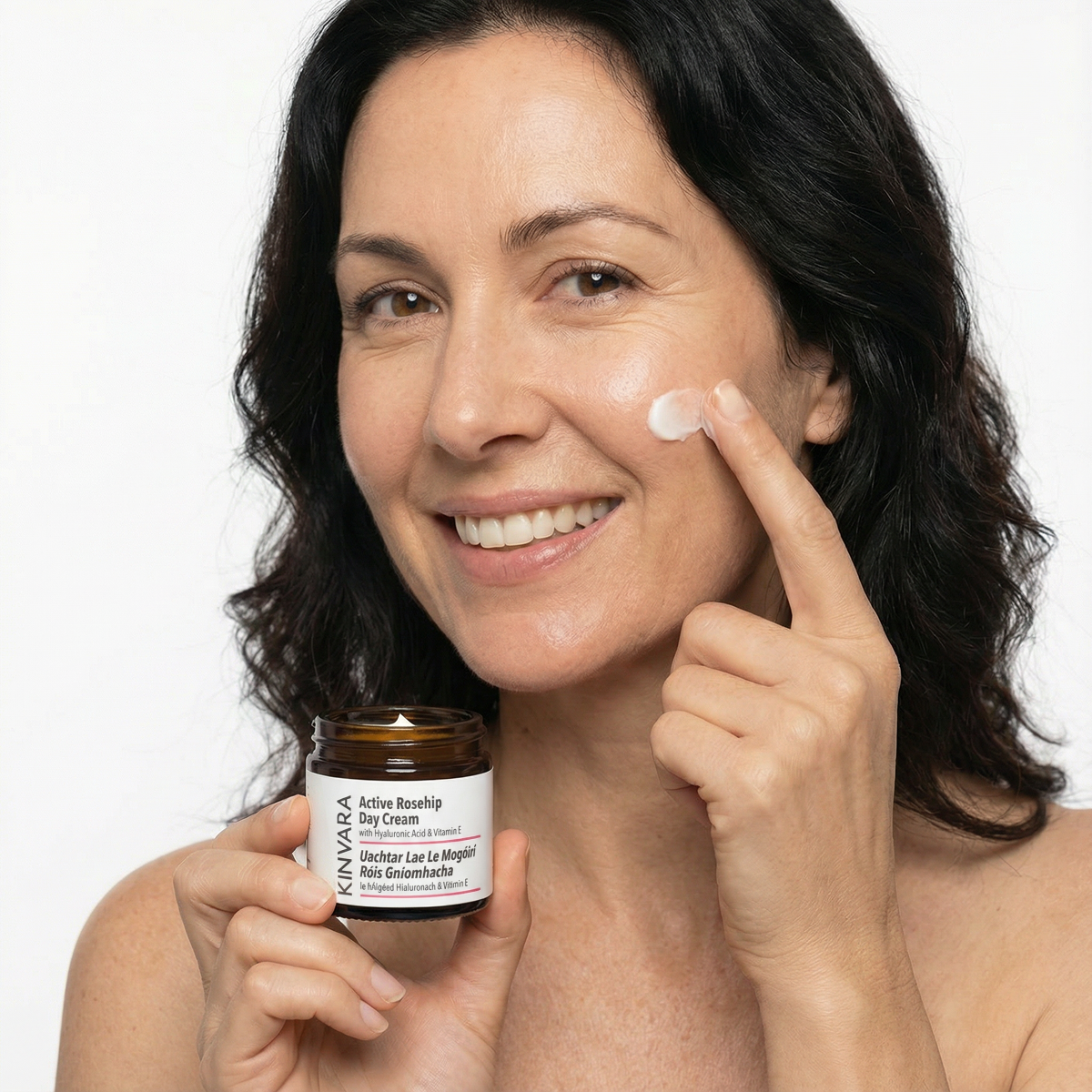
Follow with 24hr Rosehip Face Serum and Active Rosehip Day Cream as part of your moisturising routine.
You don't necessarily need more steps. Sometimes, a simple routine you enjoy using consistently is enough.
Explore Our Skincare Essentials →
2. Why Might Your Skin Become More Sensitive?
Perhaps you've noticed redness, irritation or a new sensitivity to products that never bothered you before.
Skin can become more delicate as we age, and some women experience changes in sensitivity around menopause.
If you're experiencing irritation, the best approach isn't necessarily to add more products.
What can help?
Keep your routine simple and introduce new products one at a time.
If your skin is irritated, consider avoiding exfoliating acids, strong active ingredients and fragranced products until it feels more comfortable.
Patch-testing a new product can also help you identify potential reactions before applying it more widely.
And if you're experiencing persistent redness, itching, rashes or worsening symptoms, speak to your GP or a dermatologist. Skin conditions such as eczema and rosacea may need specific treatment.
3. What About Changes in Firmness, Fine Lines and Skin Texture?
Collagen helps provide structure and support to our skin. As we age, collagen levels naturally decline, and changes in oestrogen during menopause can contribute to this process.
You may notice your skin feels less firm, or that fine lines and changes in texture become more visible.
These changes are normal, and they don't mean your skin is unhealthy.
What can help?
One of the most important things you can do is protect your skin from UV exposure.
Use broad-spectrum sunscreen with SPF 30 or higher every day, alongside a gentle skincare routine that supports hydration.
And remember, skincare doesn't need to be about looking younger. It's about looking after the skin you have today.
4. Can Menopause Cause Breakouts?
Yes. Although we often associate acne with our teenage years, hormonal changes can contribute to breakouts during adulthood, including perimenopause.
The challenge is that skin experiencing breakouts may also feel dry or sensitive.
What can help?
Avoid the temptation to scrub your skin or use harsh, drying treatments.
Continue cleansing gently and choose moisturisers appropriate for your skin.
If you're experiencing persistent or painful breakouts, your GP or dermatologist can advise on suitable treatments.
Real Women, Real Experiences
At Kinvara Skincare, we're fortunate to hear from women at many different stages of life.
Through your reviews, you've shared how your skin has changed over time, what you've struggled with and what you've discovered along the way.
And sometimes, hearing another woman's experience is reassuring in itself.
"I absolutely love this serum, it sinks in beautifully and has really helped with my menopause skin changes, very soothing and smells amazing."
"Love all the Kinvara products. Have been using the bundle for a number of years. Perfect for post menopausal skin. People have complemented me on my skin!"
"I am 56 and have menopausal aggravated and highly sensitive skin, and so far this has had a calming effect."
Building a Simple Skincare Routine for Menopausal Skin
You don't need a complicated routine to care for changing skin.
In fact, if your skin has become more sensitive, keeping things simple may be particularly helpful.
Morning
- Gently cleanse, if needed.
- Apply a hydrating serum or moisturiser suited to your skin.
- Finish with broad-spectrum SPF 30 or higher.
Evening
- Remove makeup and cleanse gently.
- Apply your serum, if you use one.
- Follow with moisturiser.
The most important thing is finding products that suit your individual skin and adjusting your routine as its needs change.
Explore the Kinvara Routine


A Kinvara favourite for cleansing away makeup and daily impurities.


A much-loved part of the Kinvara skincare routine, used before moisturising.
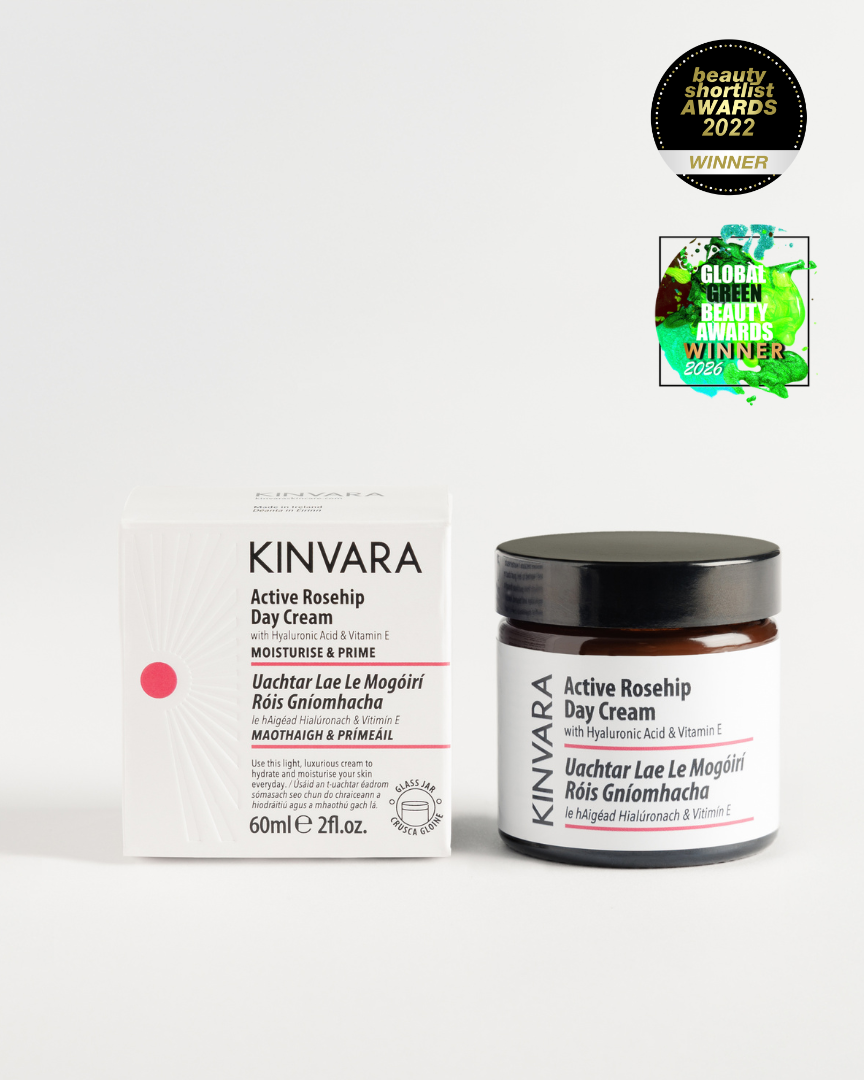
A daily moisturiser that fits naturally into a simple skincare routine.
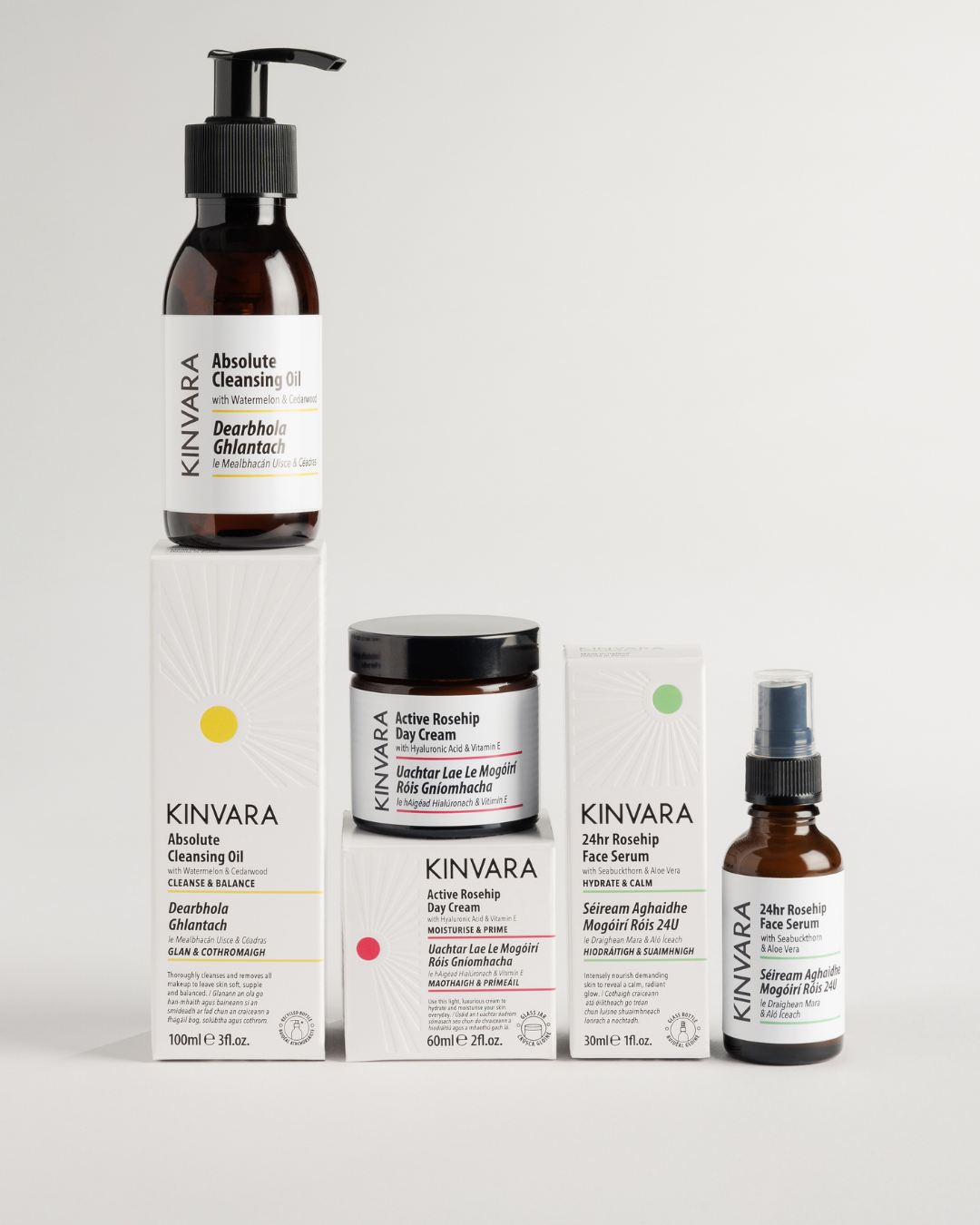
Your complete Kinvara skincare routine, with all your favourites in one bundle.
Feeling Good in Your Skin, Through Every Chapter
Menopause is a natural stage of life, but that doesn't mean every change is easy to navigate.
At Kinvara skincare, we believe women deserve to feel supported, informed and confident at every stage, without pressure to look younger or turn back the clock.
Whether you're experiencing changes in your skin, finding a new routine that works for you, or simply learning more about what's ahead, we hope this guide has helped.
And we'd love to keep the conversation going.
Here's to caring for ourselves and feeling good in our skin, at every age and every stage.
Further Information and Support
For reliable advice about menopause, skin health and treatment options, these organisations provide useful information:
- HSE Ireland: Menopause and perimenopause guidance
- Irish Skin Foundation: Skin health advice and support
- NHS: Menopause symptoms, treatment and support
- American Academy of Dermatology: Skin care during menopause
This article is intended for general information and skincare education. It is not a substitute for professional medical advice. If you're concerned about symptoms or changes to your skin, speak with your GP or another qualified healthcare professional.
Frequently Asked Questions About Menopause and Skin
Hormonal changes during menopause can contribute to dryness and reduced skin hydration. Gentle cleansing and regular moisturising can help improve skin comfort.
Some women experience increased sensitivity or irritation during menopause. However, not every skin change is caused by hormones, so persistent symptoms should be assessed by a healthcare professional.
Not necessarily. Many women can continue using familiar skincare products, making adjustments to cleansing, hydration or moisturising depending on how their skin feels.
Skincare can help maintain hydration, support skin comfort and protect against sun damage. It cannot reverse menopause or replace medical treatment for hormone-related symptoms.
Read more

How to identify your skin type
Learn how to identify your skin type at home with two simple tests. Find out whether your skin is normal, dry, oily, combination or sensitive, and what to use.
Read more
15% off your first order
Join our newsletter to receive the latest updates and 15% off your first order